1
/
of
1
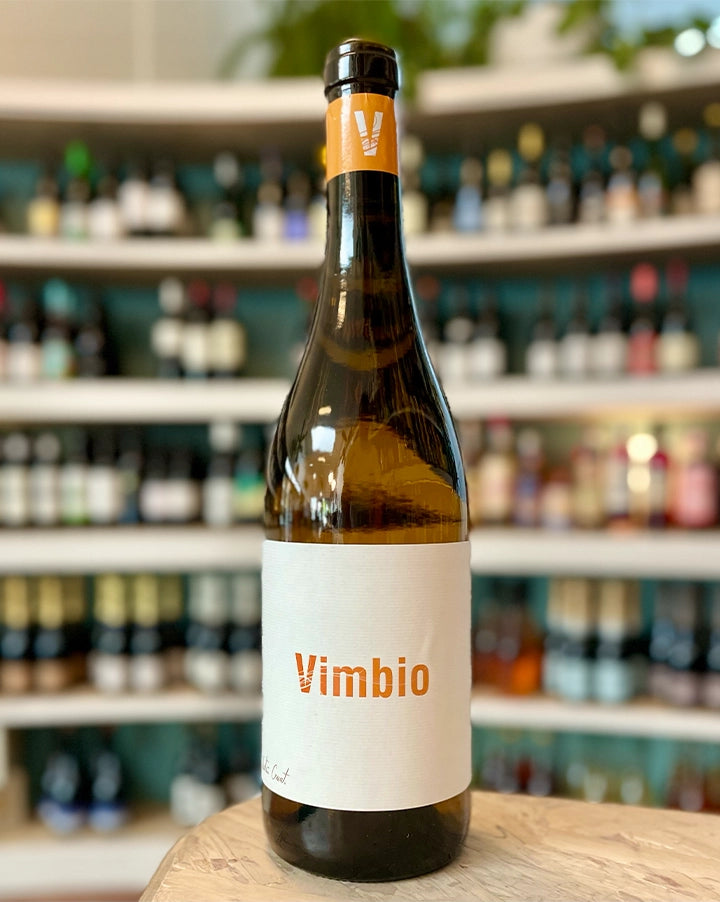
Adega Do Vimbio 'Vimbio' 2023 Galician White Goian, España (Rías Baixas)
Adega Do Vimbio 'Vimbio' 2023 Galician White Goian, España (Rías Baixas)
Regular price
$37.00 USD
Regular price
Sale price
$37.00 USD
Unit price
/
per
750ml bottle
13% abv
Fresh, bright, and mineral-driven with citrus and green fruit aromas, lively acidity, salinity, and a long, refreshing finish.
Albariño-dominant blend with Caiño Blanco and Loureiro. Caiño Blanco contributes acidity; Loureiro adds aromatic lift and spice. All varieties planted on the estate's three parcels beginning in 1985.
Vimbio comes mostly from their largest vineyard, called Veque, with some Albariño from their other two adjacent parcels. The grapes were harvested by hand, pressed, and underwent fermentation and lees-aging in stainless steel tanks, with stirring for only the first few months. The finished wine was bottled without fining, and with a light filtration and minimal added SO2.
Martín Crusat, a biologist by trade, and his wife, Patricia Elola, are living out the family’s dream of having a small winery. Martín’s father purchased a summer home in O Rosal near the town of Tomiño in 1985 and promptly planted a hectare of Albariño there, but it wasn’t until 2012 that Martín and his wife Patricia had their first harvest. Returning from working in the United States, they built a new bodega and focused on farming and winemaking.
The area that Martín’s father chose is quite unique. Rías Baixas is largely known for granitic soils, often covered with sand. Adegas Vimbio’s is positioned on an anomalous seam of schist bedrock, covered by alluvial soils. The local vineyards are also known for their typical inclusion of Loureiro and Caiño Blanca alongside the regionally dominant Albariño. The wines, when made carefully and with native yeasts like those from Vimbio, have a different profile when compared with their neighbors grown on Granite.
Martín and Patricia are deeply devoted to their three vineyards planted on 2.5 Ha which surround the house and the bodega at Adega Vimbio. They are planted to Albariño, Caiño Blanca, and Loureiro, trellised on stone plinths. The ground is covered in lush green cover crops, and blackberries and wildflowers edge the vines. They incorporate the native plants of the area in their holistic approach to farming, using biodynamic treatments from local plants and algae from the nearby Atlantic as fertilizer. Indeed, the name of the winery, Vimbio, is the name for the local Willow trees.
But farming in O Rosal is not easy. The area is very humid, impacted by the nearby Miño river, the landscape and the Atlantic. This leads to considerable mildew pressure, and the fight against Oïdium is constant; even in good years, Martín and Patricia lose considerable portions of their grapes to the pest (also known as powdery mildew), an invasive North American fungal blight that European Vitis vinifera vines have little resistance to. In the humid environment of Rías Baixas, where grape monoculture has been dominant since the 1980s, the fungus spreads freely and rapidly between plots. Martín has employed his training as a biologist in the attempt to find new, less invasive ways of responding to the fungus and strengthening their vines. The biodynamic treatments, cover crops, and holistic farming has had some success, but for now, they employ infrequent, restrained doses of low-impact fungicide to prevent damage to the vines or catastrophic crop failures.
In their cellar, Martín and Patricia work carefully and with limited intervention. Typically, they use sulfur only at bottling, or at harvest when grapes show signs of botrytis or other fungal infection. All fermentations are with native yeasts, they never chaptalize or deacidify (lamentably common practices in Rías Baixas) and they employ vessels of clay, steel, and neutral wood for aging and fermenting. Their bright, high-acid wines show significant potential for bottle aging, something that Martín is interested in further exploring as the project continues to develop.
The area that Martín’s father chose is quite unique. Rías Baixas is largely known for granitic soils, often covered with sand. Adegas Vimbio’s is positioned on an anomalous seam of schist bedrock, covered by alluvial soils. The local vineyards are also known for their typical inclusion of Loureiro and Caiño Blanca alongside the regionally dominant Albariño. The wines, when made carefully and with native yeasts like those from Vimbio, have a different profile when compared with their neighbors grown on Granite.
Martín and Patricia are deeply devoted to their three vineyards planted on 2.5 Ha which surround the house and the bodega at Adega Vimbio. They are planted to Albariño, Caiño Blanca, and Loureiro, trellised on stone plinths. The ground is covered in lush green cover crops, and blackberries and wildflowers edge the vines. They incorporate the native plants of the area in their holistic approach to farming, using biodynamic treatments from local plants and algae from the nearby Atlantic as fertilizer. Indeed, the name of the winery, Vimbio, is the name for the local Willow trees.
But farming in O Rosal is not easy. The area is very humid, impacted by the nearby Miño river, the landscape and the Atlantic. This leads to considerable mildew pressure, and the fight against Oïdium is constant; even in good years, Martín and Patricia lose considerable portions of their grapes to the pest (also known as powdery mildew), an invasive North American fungal blight that European Vitis vinifera vines have little resistance to. In the humid environment of Rías Baixas, where grape monoculture has been dominant since the 1980s, the fungus spreads freely and rapidly between plots. Martín has employed his training as a biologist in the attempt to find new, less invasive ways of responding to the fungus and strengthening their vines. The biodynamic treatments, cover crops, and holistic farming has had some success, but for now, they employ infrequent, restrained doses of low-impact fungicide to prevent damage to the vines or catastrophic crop failures.
In their cellar, Martín and Patricia work carefully and with limited intervention. Typically, they use sulfur only at bottling, or at harvest when grapes show signs of botrytis or other fungal infection. All fermentations are with native yeasts, they never chaptalize or deacidify (lamentably common practices in Rías Baixas) and they employ vessels of clay, steel, and neutral wood for aging and fermenting. Their bright, high-acid wines show significant potential for bottle aging, something that Martín is interested in further exploring as the project continues to develop.
Share